By DogWatch Team, July 24, 2026

Why a DogWatch Hidden Fence Beats a Halo GPS Collar for Keeping Your Dog Safe
When “close enough” isn’t good enough.
The gap between where your dog actually is and where a system thinks your dog is can be the difference between a relaxing afternoon and a frantic search down the street. That’s the core reason a DogWatch underground hidden fence remains the more dependable choice than a GPS-based system like the Halo® Collar. One relies on a physical signal that doesn’t move; the other relies on satellites, software, and a moving estimate of your dog’s position.
A DogWatch® Hidden Fence works by carrying a low-level radio signal through a boundary wire buried a few inches underground around the exact perimeter you choose. Your dog’s collar responds to that signal at a fixed, physical line — the same line, every single day, in every kind of weather. There’s no estimating, no recalculating, and no dependence on how many satellites happen to be overhead. The boundary is where you put the wire, and it stays there. That consistency is exactly what a containment system needs to do its one critical job.
The drift you don’t want to get.
GPS fences are only as accurate as the position they can calculate at any given moment, and that’s where Halo runs into trouble. Even under an open sky, consumer GPS is typically accurate to only a few meters, and that margin gets worse near houses, trees, fences, and rooftops — the very features that surround most backyards. The practical result is drift: the invisible boundary shifts from where you originally set it, sometimes by several feet or more. A line you carefully mapped along the edge of your driveway can quietly migrate into the middle of your lawn or past the sidewalk without you knowing.
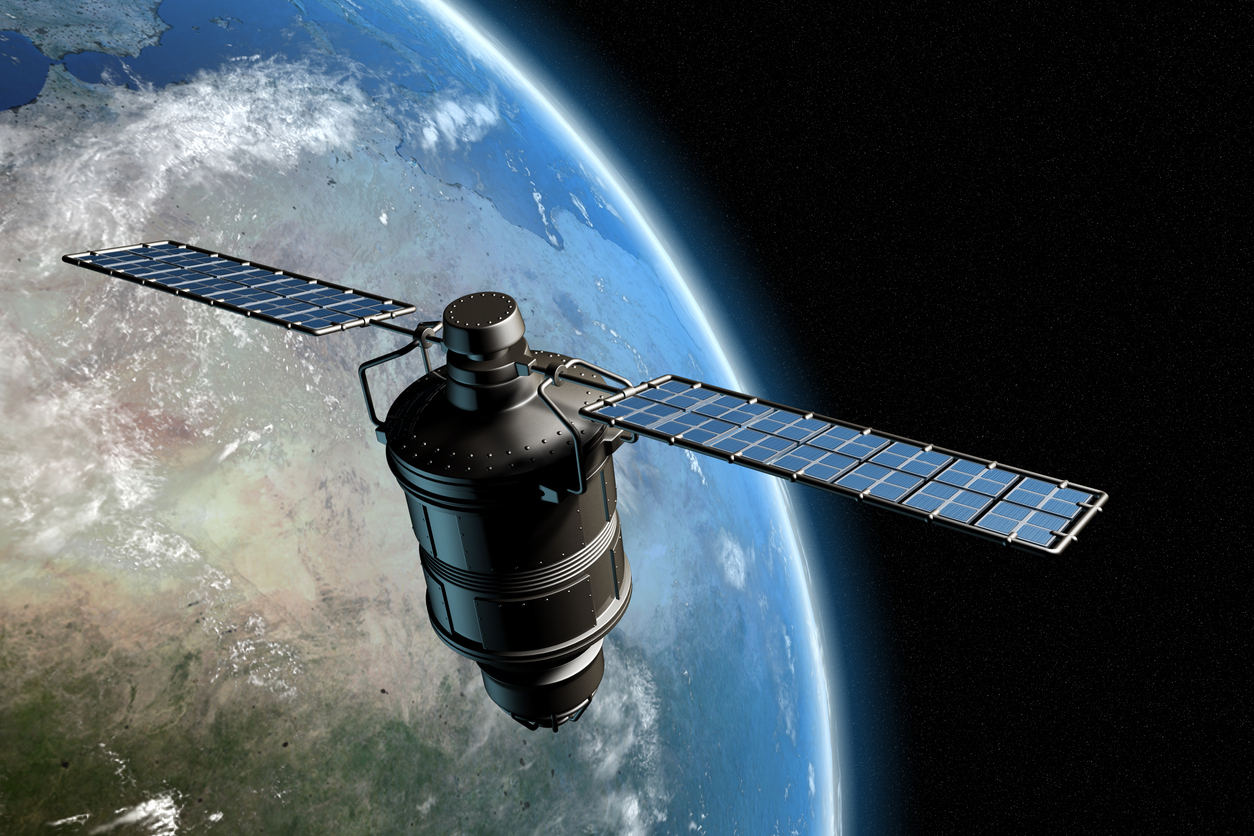
That drift and low accuracy create the single most alarming failure owners report with GPS systems: dogs getting corrected while sitting well inside the safe zone. Because the collar is acting on an imprecise estimate rather than a real line, it can trigger a warning or static correction when your dog is lying on the porch, resting in the yard, or even indoors — in some reported cases more than a hundred feet from the actual boundary. Beyond being unfair to the dog, these phantom corrections erode the animal’s trust in the system. A dog that gets “bitten” by an invisible line in a place it has always felt safe may become anxious, confused, or unwilling to use the yard at all, which undermines the entire point of training.
A fixed boundary means no surprises.
A buried wire simply doesn’t have this failure mode. The correction zone sits at a fixed distance from a physical wire, so your dog learns one clear, unchanging boundary and can relax everywhere inside it. DogWatch’s patented SafeLink® signal is also engineered to resist the interference that can plague wireless systems, and because the line never moves, the training your dog receives on day one still holds true a year later. Dogs learn boundaries through consistency and repetition, and a fence that stays put is a fence a dog can actually understand.
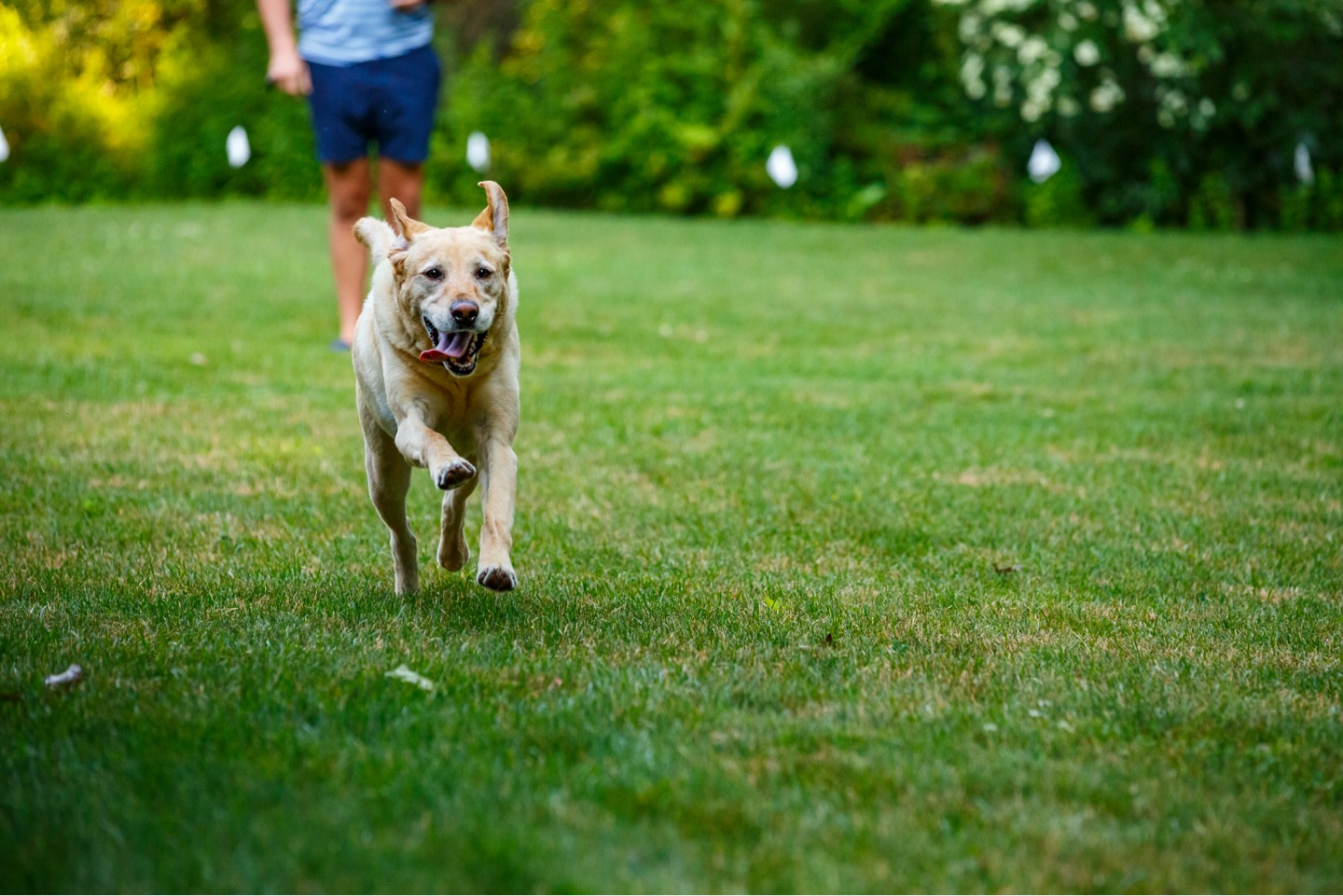
For most owners, the decision comes down to what you want your containment system to be: a precise, physical line that behaves the same way every day, or a software estimate that can wander, misfire, and confuse your dog. GPS collars are impressive gadgets with real convenience benefits, especially for travel or properties too large to wire. But when the priority is reliable, everyday safety in your own yard, the steadiness of a DogWatch underground fence is hard to beat — and your dog’s peace of mind is worth the certainty.