By DogWatch Team, August 26, 2026

How Old Should a Dog be to Start Hidden Fence Training?
Every Dog is Different
If you’ve just brought home a new puppy, giving them the freedom to run and play safely in your own yard is probably high on your wish list. It’s also one of the most common questions we hear from new dog owners: “How soon can we start hidden fence training?” The short answer is that most puppies are ready to begin training on an underground hidden fence at around four to six months of age — but the real answer depends less on the calendar and more on your individual dog.
Every dog matures at a different pace, even within the same breed. A confident, food-motivated five-month-old Lab may sail through boundary training, while a more timid pup of the same age might benefit from a few extra weeks of basic obedience first. That’s why DogWatch doesn’t publish a rigid minimum age. Instead, when your local DogWatch Dealer meets with you and your dog, they’ll evaluate your pup’s temperament, attention span, and maturity, and recommend the right time to begin. It’s a personalized approach, not a one-size-fits-all rule.
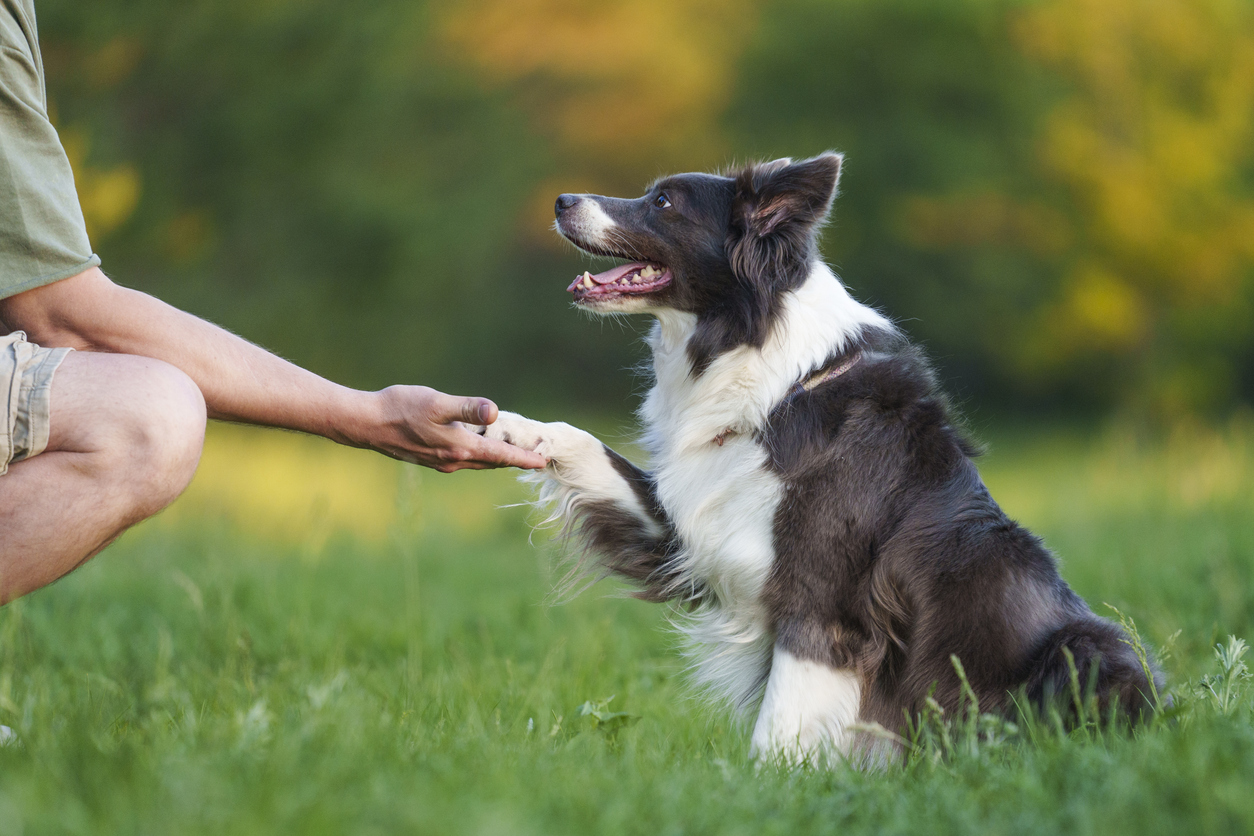
Ready to Learn
Before hidden fence training starts, your puppy should have a few basics under their belt. They should know their name and respond when called, be comfortable walking on a leash, and ideally have a handle on simple commands like “sit” and “stay.” These skills matter because hidden fence training is built on the same foundation as all good dog training: clear communication, repetition, and lots of praise. A puppy who can focus on you for a 10–15 minute training session is a puppy who’s ready to learn their boundaries.
The good news is you don’t have to wait until training day to put your fence to work. Many families have their DogWatch underground hidden fence installed while their puppy is still young, then use the weeks before formal training to let their pup get used to wearing the receiver collar and to introduce the boundary flags around the yard. Because the wire is buried, there’s no construction disrupting your lawn and nothing for a curious puppy to chew or dig — the system simply waits until your dog is ready for it.
Starting Your Training
When training does begin, it’s a gentle, gradual process. DogWatch receiver collars include an audible-only mode, which means your puppy first learns the boundary through a warning beep (or vibration), voice commands like “Watch out!”, and visual flags — no correction at all in the early stages. Over about two weeks of short, upbeat, on-leash sessions, your dog learns exactly where the boundary is and how to retreat to the safe zone, earning plenty of praise along the way. Only after your dog clearly understands the warning signal is a mild correction introduced, and most dogs respond so well to the audible alert that they rarely test the boundary again.
Worried that your pup is sensitive — or that your other dog is a headstrong adolescent? DogWatch collars offer a wide range of adjustable training levels, so whether your dog is timid or high-energy, there’s a setting that fits. Your DogWatch Dealer will select the appropriate level during training and show you how it works. The goal is never to startle or punish your dog; it’s to teach a clear, consistent boundary your dog understands and respects.
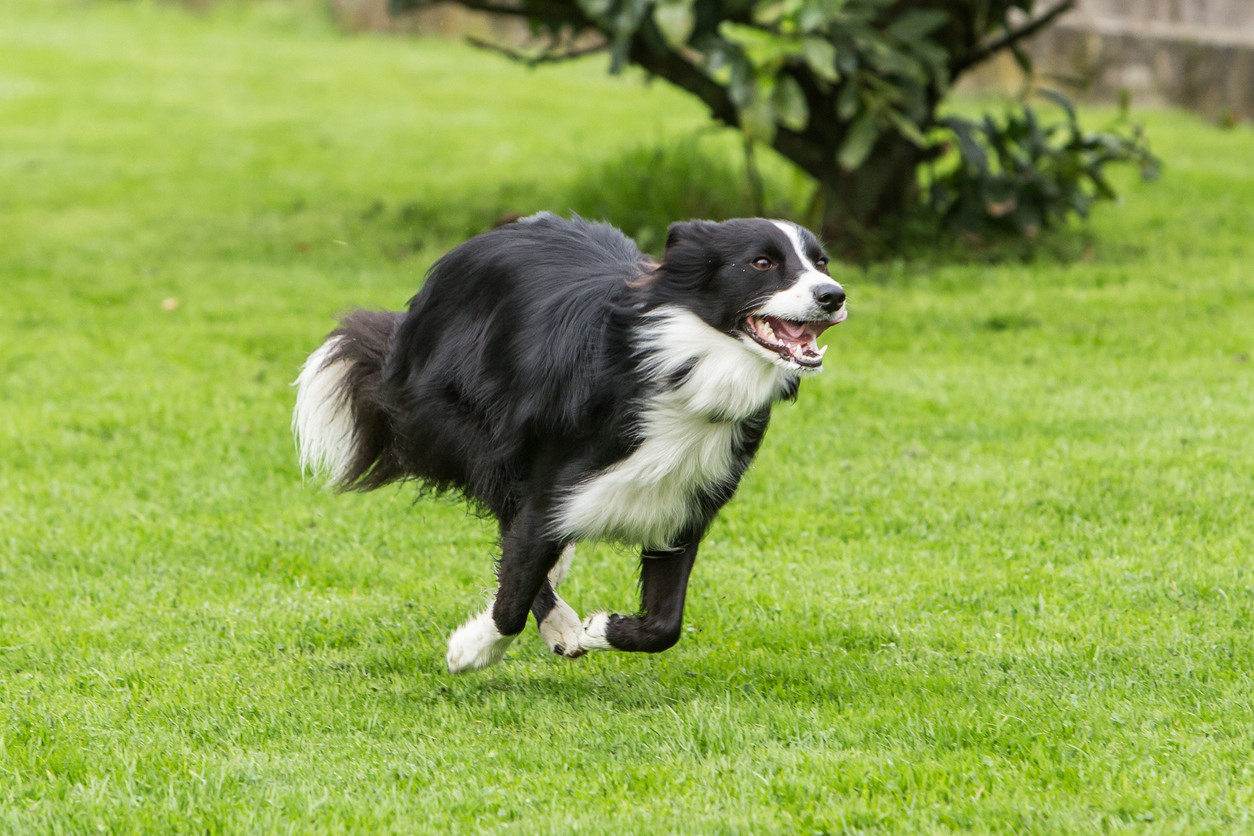
What About Older Dogs?
And if your dog is well past puppyhood, don’t worry — you haven’t missed the window. Older dogs learn hidden fence boundaries just as reliably as puppies do, and rescue dogs, adult adoptees, and even senior dogs are trained on DogWatch systems every day. Age matters far less than a patient, consistent training plan, and that’s exactly what your Dealer provides with every installation.
Conclusion
The bottom line: for most puppies, hidden fence training can begin around four to six months old, once basic obedience is in place — but the best way to know if your dog is ready is to ask. Your local DogWatch Dealer will meet your dog, walk your property, and design a custom boundary and training plan that sets your pup up for a lifetime of safe, off-leash freedom in their own yard. Find your local Dealer today to schedule a free consultation.